
Phishing Warning: Fake Atefia Emails
Online security is paramount for casino players, and a recent wave of sophisticated phishing scams is targeting users by impersonating the popular platform. This guide provides a step-by-step breakdown of how to identify fraudulent emails pretending to be from Atefia, what to do if you receive one, and how to protect your account and personal information.
How to Identify a Fake Atefia Email
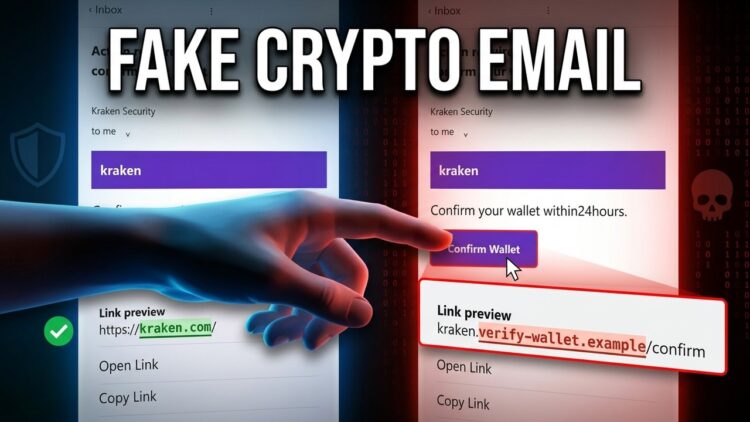
Scammers have become adept at creating convincing forgeries. The first line of defense is knowing what to look for. Genuine communication from Atefia casino will always come from an official domain, typically something ending in ‘@atefia.com’ or ‘@mail.atefia.com’. Be extremely wary of addresses from public domains like ‘@gmail.com’ or ‘@outlook.com’. Check for poor grammar, spelling mistakes, and a sense of urgency pressuring you to click a link or provide details immediately. A legitimate Atefia bonus offer will be clearly detailed within your account on their official website, not exclusively via a suspicious email.
Common Tactics Used in These Phishing Scams
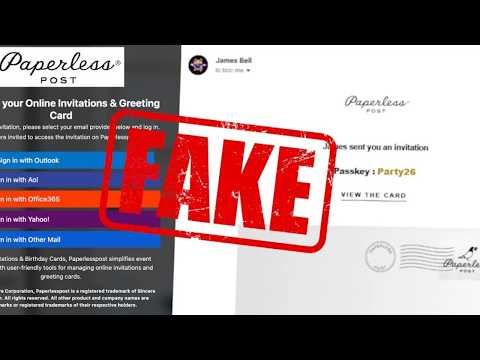
These fraudulent emails employ several psychological tricks to provoke a quick reaction. Common themes include alerts about unauthorized login attempts, claims that your account will be suspended unless you verify your details, or fake notifications that you’ve won an Atefia no deposit prize. They often contain buttons linking to fake login pages designed to steal your username and password. Another tactic is urging you to download an attachment, which is usually malware designed to infect your device and harvest data.
Immediate Steps to Take If You Clicked a Link
If you suspect you have fallen for a phishing attempt, act quickly to secure your account. Follow this ordered list of critical actions:
- Immediately log in to your Atefia account directly by typing the official website address into your browser—do not use any link from the email.
- Change your account password to a new, strong, and unique one.
- Enable two-factor authentication (2FA) if you haven’t already, for an added layer of security.
- Contact Atefia’s official customer support to report the phishing attempt and seek further guidance.
- Run a full antivirus and anti-malware scan on your device.
Verifying Legitimate Atefia Communications
Always verify the authenticity of any promotional offer or alert. Instead of clicking links in an email, manually navigate to the Atefia website and log into your account. All genuine promotions, including any requiring an Atefia promo code, will be listed in the ‘Promotions’ or ‘My Offers’ section of your account dashboard. Official support will never ask for your password or full credit card number via email. When in doubt, directly contact support through the live chat or phone number found on their official site.
Comparing Real vs. Fake Promotional Offers
Understanding the difference between a real offer and a phishing lure is crucial. The table below outlines key differences you can use to spot a fake, especially regarding common offers like Atefia free spins.
| Feature | Legitimate Atefia Offer | Phishing Scam Offer |
|---|---|---|
| Source Email | @atefia.com domain | Public email domain (e.g., @gmail.com) |
| Login Link | Leads to official Atefia website | Leads to a look-alike fake website |
| Personalization | Addresses you by your username | Uses generic greetings like “Dear User” |
| Urgency | Standard promotion period | Extreme pressure to act “within 24 hours” |
| Attachment | Never includes attachments | Often includes a ZIP or EXE file to download |
Strengthening Your Overall Online Security
Protecting yourself goes beyond identifying one scam. Use unique passwords for every online account, especially your casino and financial accounts. A password manager can help you generate and store them securely. Regularly update your device’s operating system and browsers to patch security vulnerabilities. Be cautious about what you share on social media, as scammers use this information to make their phishing attempts more personalized and believable. For more information on securing your digital life, consider reading about modern security practices at lankesters-conservatories.co.uk. Remember, staying vigilant and skeptical of unsolicited requests is your best defense against phishing attacks.